Wireline logging is a technique used in the oil and gas industry to acquire and record data from subsurface formations and wellbore conditions. During the operation, a multi-conductor electrical cable, known as Wireline, is deployed into the well with specialized downhole instruments called logging tools.
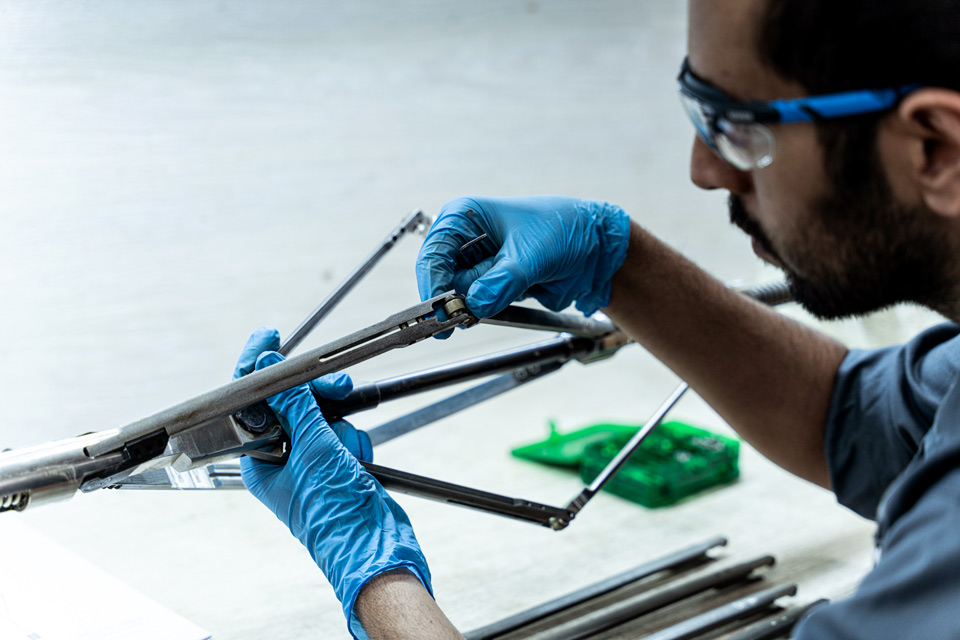
These tools collect valuable information regarding formation properties, reservoir fluids, pressure, temperature, and well integrity, enabling engineers and geoscientists to evaluate reservoir characteristics and optimize field development and production operations.
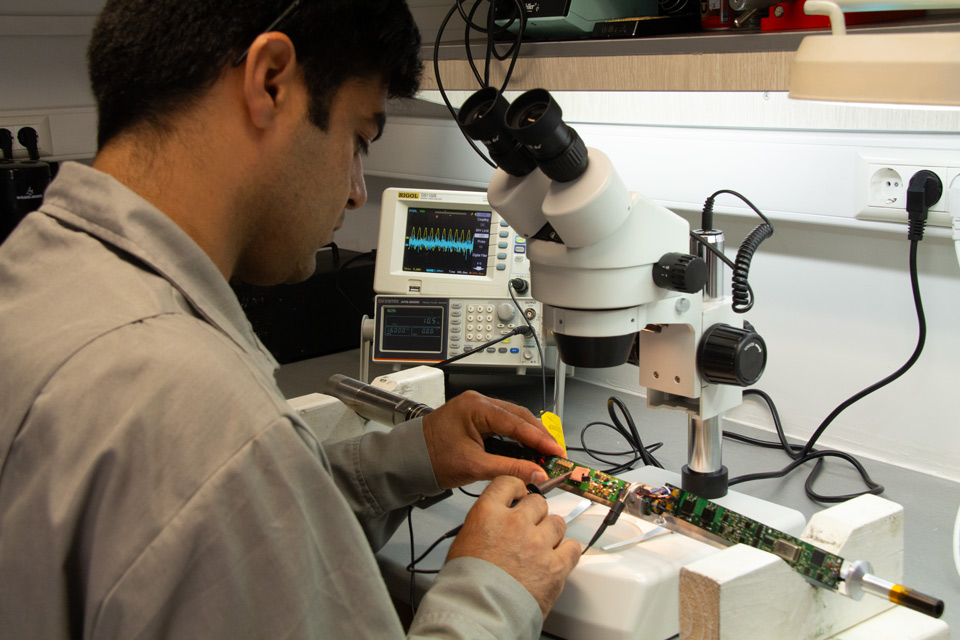
Main Purposes and Applications of Wireline Logging Wireline logging assists engineers and geoscientists in:
- Identifying hydrocarbon-bearing zones.
- Evaluating formation properties such as porosity, permeability, and density.
- Determining fluid type and saturation (oil, gas, or water).
- Assessing well integrity and casing condition.
- Defining formation depth and structural characteristics
- Performing formation testing and fluid sampling.
- Conducting production logging operations (PLT).
- Executing Wireline conveyed perforating (WCP) operations.